
Standards · The Journal
Kansas has no massage license. Wichita does.
No state board, no state exam, no protected title — and then a city ordinance with fees, two-year terms and a photo ID card in every therapist's pocket. What to ask, and what the answer means.
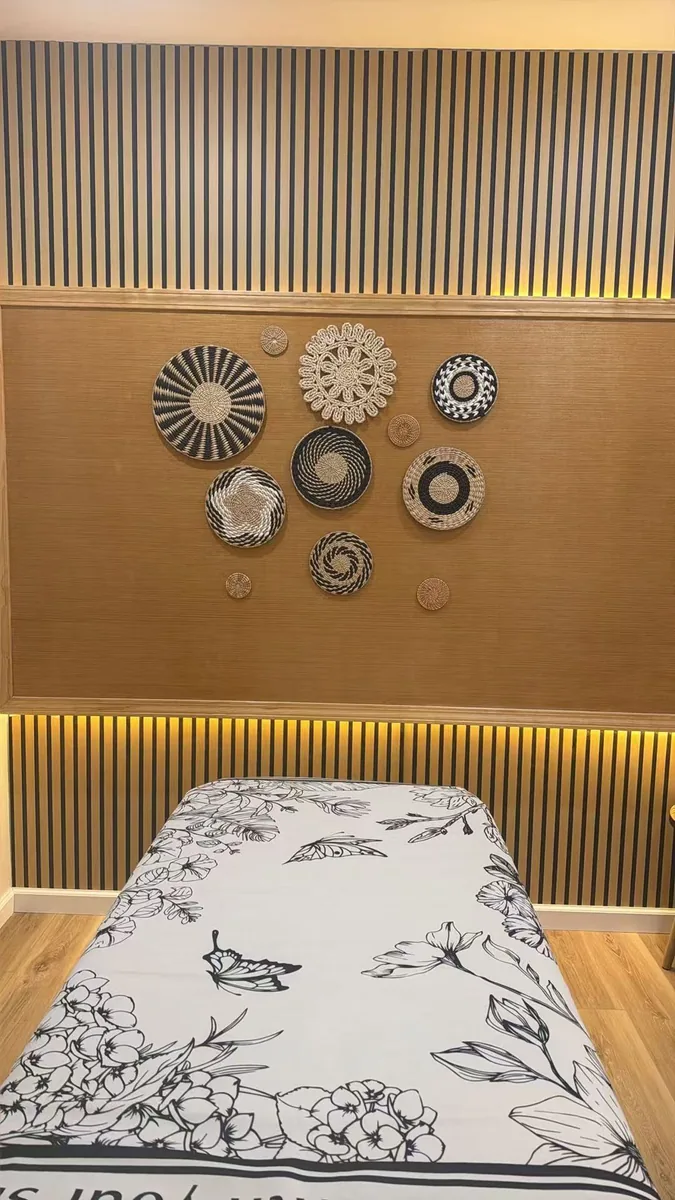
Kansas doesn’t issue a massage therapy license. There’s no state board to register with, no state exam to sit and no legal protection on the words “massage therapist” — and as of September 2026 that is still the position. Wichita fills the gap with an ordinance of its own, and the requirements it sets are specific enough that you can check them at a front desk in about thirty seconds.
Does Kansas license massage therapists?
No. Kansas law doesn’t prescribe a massage therapy requirement at all, so there is no state licensing board, no state examination and no state title protection. The Kansas Legislative Research Department states the position plainly: individuals in Kansas may practice massage therapy without state standards or state oversight.
The National Center for Complementary and Integrative Health counts the other side of the same line. Its massage therapy overview says that “in states that regulate massage therapy (45 states and the District of Columbia), therapists must get a license or certification before practicing massage.” Forty-five plus DC leaves five states outside that count, and Kansas is one of them.
No title protection means something concrete: the state doesn’t police who puts those two words on a sign, a business card or a booking page. Whatever checking gets done has to come from somewhere other than Topeka. In Wichita it comes from the city, and it arrives with a fee, a renewal term and a document a guest can ask to hold.
The two bills that didn’t pass
Senate Bill 253 was introduced in the 2025 session and died in committee. An earlier attempt, SB 305 in 2023, also failed. Both would have created a state credential; neither did, and nothing has since replaced them. If you’ve seen a different bill number attached to this story, it wasn’t one of these two.
What does Wichita require instead?
A license for the business and a separate permit for every therapist working inside it. Chapter 3.55 of the city code sets both, along with the fee, the renewal term and where each one has to be visible.
| Business license | Therapist permit | |
|---|---|---|
| Who holds it | The studio | Each individual therapist |
| Fee | $200 | $75 |
| Term | Two years, then renewed | Two years, then renewed |
| Where you see it | Displayed in a conspicuous public place | A laminated city photo ID card carrying the therapist's photograph and permit number, available for inspection |
- Business license
- The studio
- Therapist permit
- Each individual therapist
- Business license
- $200
- Therapist permit
- $75
- Business license
- Two years, then renewed
- Therapist permit
- Two years, then renewed
- Business license
- Displayed in a conspicuous public place
- Therapist permit
- A laminated city photo ID card carrying the therapist's photograph and permit number, available for inspection
The card in the therapist’s pocket
The ID card is the part most guests have never heard of. It isn’t a certificate filed in a back office; the therapist has it on them while they work, and “available for inspection” covers the person on the table as much as it covers a city inspector. Wichita is one of the few places in Kansas where that check is available to a customer at all, which is a reason to use it rather than a reason to feel awkward about it.
The four training routes the city accepts
A therapist can qualify for the permit by any one of four routes, which the ordinance lists by name:
- the MBLEx, the national massage and bodywork licensing examination;
- an NCTMB examination passed before 1 February 2015;
- a transcript showing at least 500 instructor-taught classroom hours;
- 150 hours of accredited education, plus at least 12 CEU hours within five years, plus membership of a national massage association.
The card doesn’t record which route its holder took, and the four aren’t equivalent — 500 classroom hours and a passed national exam ask different things of a person. Where the difference matters to you, put the question to the therapist rather than to the card.
What else is in the ordinance?
More than licensing. Chapter 3.55 also sets a background-check standard for permit holders, and writes down three operating rules whose effects a guest can see:
- Sanitation. Surfaces are cleaned after every use with an EPA-registered disinfectant effective against MRSA and VRE. The ordinance names the class of product rather than telling studios to tidy up between clients.
- Hours. No massage business may operate between midnight and 6 AM. We close at 9 PM Sunday through Thursday and 9:30 PM on Friday and Saturday, well inside it.
- Minors. Nobody under 18 may be massaged unless a parent or legal guardian is present and has authorised the session in writing. Plan to stay in the room.
None of it scales with the size of the business. A national chain up on N Maize Rd and a two-therapist independent on W Central are under the same chapter, pay the same $200 for the business license and hold the same $75 permits. The ordinance asks about training, premises and conduct; it has nothing to say about who owns the sign over the door.
Does every Kansas city do this?
No, and that’s the part worth carrying with you. Roughly ten Kansas communities license massage at city level — Wichita, Overland Park, Lenexa, Mission, Olathe and Maize among them — while Topeka, the state capital, does not. What a studio has to do therefore depends on which set of city limits it sits inside.
Maize licenses massage; some smaller towns nearby don’t
Maize is 13 minutes straight up N Maize Rd from our door and licenses massage locally. Drive another quarter of an hour past it and you may be somewhere with no local rule on the subject at all. Which is why “are you licensed?” isn’t the useful question — everyone says yes to that one. Ask what they’re licensed under, and whether you can see it.
What to ask any studio before you book
Four questions, none of them rude, all of them normal to ask a stranger you’re about to lie down in front of. If one of them lands badly, you’ve learned something worth knowing while you’re still standing up.
-
Where's the business license?
In Wichita it should already be on a wall you can read without asking. If you can't spot it, ask — the ordinance puts it in a conspicuous public place for exactly this reason. -
Can I see your city ID card?
Laminated, with a photograph and a permit number on it. Every therapist working in Wichita carries one, nobody who has theirs will mind being asked, and it is the fastest check available to you. -
What's your training, and how long have you been doing this?
The NCCIH's standing advice is to ask about the training, experience and credentials of the therapist you're considering. Which of the four routes, how many years on the table, and what kind of work they're strongest at — firm and focused, or slow and light. -
What don't you do?
A massage studio isn't a medical provider. Nobody here diagnoses, treats or cures anything, and a therapist who offers to has told you something useful. If your pain is new, severe or getting worse, see a doctor first, then book — the two sit alongside each other perfectly well.
None of which is a reason to be nervous about booking. The NCCIH’s own summary of the research is that the risk of harmful effects from massage therapy appears to be low, and it lists massage among the approaches that may improve pain and function in chronic low-back pain. Asking to see a card is about knowing who is in the room with you, which is a separate question from whether the hour is worth having.
How to check us in person
Book the shortest thing on the menu and ask the four questions while you’re still standing at the desk. A 30-minute foot massage is $30 and you keep your clothes on; an hour of body massage is $60. Thirty minutes in the room will tell you more than any amount of reading about ordinances.
We’re at 10646 W Central Ave #106, north side of W Central just west of N Maize Rd, open seven days — Sun–Thu 9:30 AM – 9 PM · Fri–Sat 9:30 AM – 9:30 PM. Walk in, book online, or call (316) 347-6999. Anything about credentials, ask at the desk and ask your therapist directly; both are fair questions and neither needs an appointment. The full menu is on our services page, and the FAQ covers the practical side of a first visit.